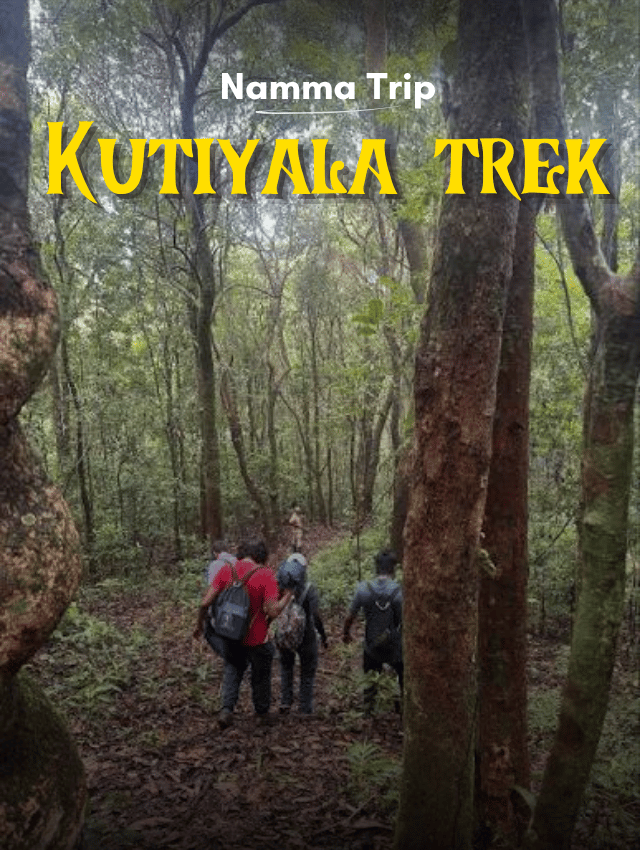
Learn the important forest rules every trekker should follow for safe, eco friendly, and responsible trekking. Explore essential trekking guidelines.
Trekking through forests is one of the most beautiful experiences for adventure lovers. Walking through dense greenery, listening to birds, crossing streams, and exploring mountain trails creates unforgettable memories. However, forests are delicate ecosystems that need protection and respect.
Every trekker has a responsibility to preserve nature while enjoying the adventure. Following proper forest rules not only protects wildlife and the environment but also ensures the safety of trekkers.
At Namma Trip Official Website, responsible trekking and eco-friendly travel are strongly encouraged during all trekking and backpacking trips across Karnataka and South India.
This guide covers the most important forest rules every trekker should follow before entering any trekking trail.
Why Forest Rules Are Important
Forests are home to wildlife, rare plants, water sources, and fragile ecosystems. Human activities can easily damage these natural environments if proper care is not taken.
Forest rules help:
- Protect wildlife habitats
- Prevent forest fires
- Reduce pollution
- Preserve biodiversity
- Ensure trekker safety
- Maintain clean trekking trails
Responsible trekking helps future generations enjoy nature in its original beauty.
1. Never Litter in Forest Areas
One of the most important trekking rules is to never throw garbage in forests.
Plastic bottles, food wrappers, tissues, and other waste pollute nature and harm animals. Even biodegradable waste like fruit peels can disturb wildlife behavior.
Always carry a garbage bag and bring all waste back with you.
Avoid carrying:
- Single-use plastics
- Disposable plates and cups
- Plastic wrappers
Eco-friendly trekking begins with cleanliness.
2. Do Not Disturb Wildlife
Forests are natural homes for animals and birds. Trekkers should respect wildlife and avoid disturbing them.
Never:
- Feed wild animals
- Chase birds or animals
- Make loud noises
- Use flashlights directly on wildlife
- Try taking risky selfies near animals
Wildlife can become aggressive when disturbed, and feeding animals affects their natural habits.
Responsible trekking means observing nature quietly.
3. Avoid Loud Music in Forests
Playing loud music during trekking ruins the peaceful forest environment and disturbs wildlife.
One of the best parts of trekking is listening to natural sounds like:
- Birds chirping
- Water flowing
- Wind through trees
- Forest insects
Loud music can scare animals and reduce the natural trekking experience for others.
At Namma Trip Adventure Treks, trekkers are encouraged to enjoy nature peacefully without speakers or loud noise.
4. Stay on Designated Trekking Trails
Avoid leaving marked trekking paths.
Walking off-trail can:
- Damage plants and vegetation
- Increase soil erosion
- Disturb wildlife habitats
- Cause trekkers to get lost
Always follow your trek leader or forest guide and stay within approved trekking routes.
5. Do Not Start Campfires Without Permission
Forest fires are one of the biggest threats to nature. Even a small spark can destroy large areas of forest.
Never light campfires unless:
- It is officially allowed
- Safety measures are available
- Local authorities permit it
Avoid throwing:
- Cigarette butts
- Matchsticks
- Glass bottles
During summer, forests become extremely dry and highly sensitive to fire accidents.
6. Respect Forest Department Rules
Many trekking destinations come under protected forest zones or wildlife sanctuaries.
Trekkers must:
- Obtain required permits
- Follow entry timings
- Respect restricted zones
- Cooperate with forest officials
Forest rules exist to protect both trekkers and the environment.
Professional trekking organizers like Namma Trip Karnataka Treks ensure proper permissions and responsible trekking practices.
7. Avoid Alcohol and Smoking During Trekking
Alcohol and smoking inside forests are dangerous and irresponsible.
Risks include:
- Forest fires
- Health emergencies
- Poor judgment during trekking
- Disturbance to others
Trekking requires physical fitness, awareness, and responsibility. Staying sober helps ensure safety for everyone in the group.
8. Carry Reusable Water Bottles
Plastic waste is one of the biggest environmental problems in trekking destinations.
Instead of disposable bottles, carry:
- Steel bottles
- Reusable water containers
- Hydration packs
Reducing plastic usage helps keep trekking trails clean and eco-friendly.
9. Respect Local Communities and Culture
Many trekking routes pass through villages and local communities.
Trekkers should:
- Be polite to locals
- Avoid disturbing village life
- Dress respectfully
- Support local businesses responsibly
Responsible tourism creates positive relationships between trekkers and local communities.
10. Avoid Picking Plants or Flowers
Do not damage forest vegetation for photos or souvenirs.
Rare plants and flowers play an important role in the ecosystem. Removing them affects biodiversity and forest health.
Take photographs instead of collecting natural items.
11. Travel in Groups Whenever Possible
Solo trekking in deep forest areas can be risky.
Group trekking offers:
- Better safety
- Emergency support
- Easier navigation
- Improved coordination
Joining organized trekking groups like Namma Trip Weekend Treks helps ensure safer and well-managed adventures.
12. Carry Essential Trekking Gear
Proper preparation is important for safe forest trekking.
Essential items include:
- Trekking shoes
- Raincoat
- Water bottles
- Torch
- Energy snacks
- Basic first aid kit
- Power bank
- Extra clothes
Good preparation reduces risk during trekking.
13. Protect Water Sources
Streams, waterfalls, and lakes inside forests are important water sources for wildlife and nearby communities.
Never:
- Throw waste into water
- Use soap or shampoo in streams
- Pollute natural water bodies
Clean water sources are essential for maintaining healthy ecosystems.
14. Follow Leave No Trace Principles
The “Leave No Trace” principle is one of the most important rules in trekking.
This means:
- Leave nature exactly as you found it
- Do not damage surroundings
- Carry back all waste
- Respect wildlife
- Minimize environmental impact
Responsible trekking ensures forests remain beautiful for future trekkers.
15. Listen to Trek Leaders and Coordinators
Experienced trek leaders understand:
- Forest safety
- Weather conditions
- Wildlife risks
- Emergency procedures
- Trail navigation
Always follow instructions from trek coordinators during the journey.
At Namma Trip Official Website, trek leaders prioritize safety, coordination, and eco-friendly travel practices.
Importance of Eco-Friendly Trekking
Eco-friendly trekking is becoming increasingly important because many trekking destinations are facing:
- Plastic pollution
- Forest damage
- Overcrowding
- Wildlife disturbance
Every trekker plays a role in protecting nature.
Simple responsible actions can create a huge positive impact on the environment.
Best Responsible Trekking Destinations in Karnataka
Karnataka offers several beautiful trekking locations where responsible tourism is encouraged.
Popular treks include:
- Kudremukh Trek
- Kumara Parvatha Trek
- Netravati Peak Trek
- Tadiandamol Trek
- Skandagiri Trek
- Narasimha Parvatha Trek
These destinations showcase the incredible beauty of the Western Ghats and require proper environmental care.
You can explore these adventures through Namma Trip Trekking Packages.
Conclusion
Forests are among the most valuable natural treasures on Earth. Trekking through them is a privilege that comes with responsibility.
By following proper forest rules, trekkers can help preserve nature, protect wildlife, and create safer trekking experiences for everyone.
Responsible trekking is not difficult. Small actions like avoiding littering, respecting wildlife, staying on trails, and reducing plastic usage make a big difference.
At Namma Trip Adventure Community, eco-friendly travel and responsible trekking are encouraged on every adventure.
Explore nature responsibly, protect the forests, and make every trek meaningful.
Frequently Asked Questions
1. Why are forest rules important during trekking?
Forest rules help protect wildlife, prevent pollution, and ensure safe trekking experiences.
2. Can we play music during trekking?
Loud music should be avoided because it disturbs wildlife and other trekkers.
3. Is littering harmful in forests?
Yes, littering damages ecosystems and can harm animals and plants.
4. Why should trekkers stay on marked trails?
Marked trails reduce environmental damage and help trekkers avoid getting lost.
5. Are campfires allowed in forests?
Campfires are only allowed in designated areas with proper permissions.
6. Why is plastic banned in many trekking areas?
Plastic waste pollutes forests and harms wildlife.
7. What is Leave No Trace trekking?
It means leaving nature untouched and carrying back all waste.
8. Is solo trekking safe in forests?
Group trekking is generally safer than solo trekking in forest areas.
9. Why should trekkers avoid feeding animals?
Feeding wildlife affects their natural behavior and can become dangerous.
10. Where can I book responsible trekking trips in Karnataka?
You can explore eco-friendly trekking experiences through Namma Trip Official Website.