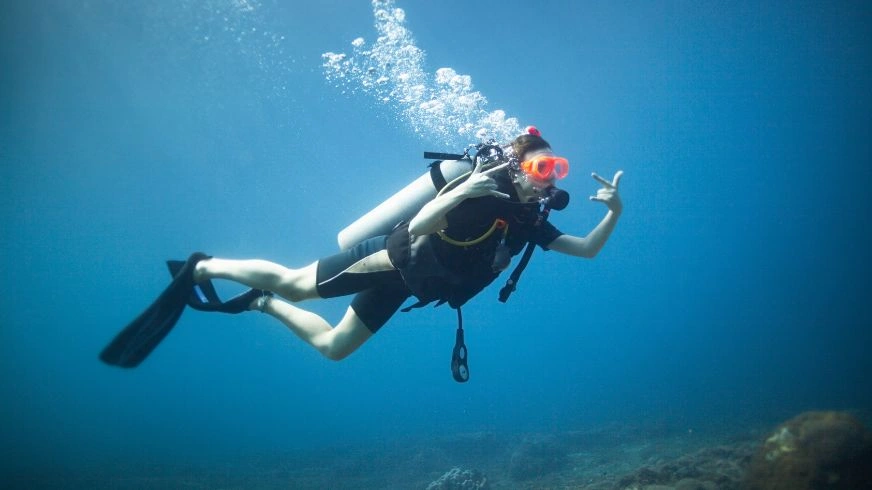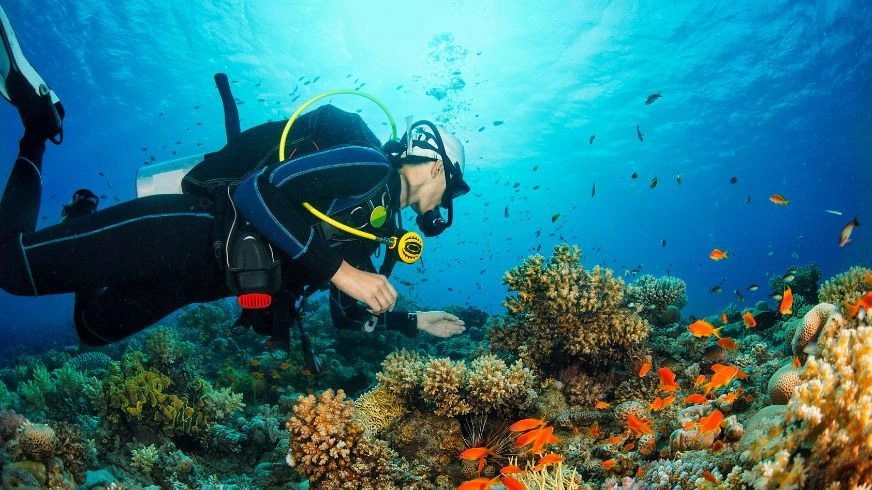
Scuba diving involves underwater exploration using a Self Contained Underwater Breathing Apparatus . This equipment allows divers to breathe an
What Is Scuba Diving?
Scuba diving involves underwater exploration using a Self-Contained Underwater Breathing Apparatus (SCUBA). This equipment allows divers to breathe and move freely underwater, offering a unique way to experience the ocean’s wonders.
Recreational scuba diving is the most common form, often enjoyed on vacations or as a hobby. Divers explore vibrant reefs, mysterious shipwrecks, and diverse marine ecosystems. Advanced forms include technical, commercial, and scientific diving, but recreational diving is the perfect start for beginners.
Scuba diving allows a profound connection to the underwater world, where you can encounter species like sea turtles, manta rays, and vibrant schools of fish. Divers often describe the experience as meditative and awe-inspiring, a true escape from everyday.
Precautions for Scuba Diving
Scuba diving is an exciting adventure that lets you explore the beautiful underwater world. However, safety should always come first. Whether you are a beginner or trying scuba diving for the first time, following some basic precautions can make your diving experience safe and enjoyable.
1. Listen to the Instructor Carefully
Before entering the water, professional instructors provide a safety briefing. Always pay attention and follow their instructions throughout the diving session.
2. Check Your Health Condition
People with serious medical conditions such as heart problems, asthma, breathing issues, or recent surgeries should avoid scuba diving. It is important to ensure you are physically fit before participating.
3. Avoid Alcohol Before Diving
Drinking alcohol before scuba diving can affect your balance, breathing, and decision-making ability. It is recommended to stay completely alcohol-free before the activity.
4. Stay Calm and Breathe Normally
While underwater, remain calm and breathe slowly and normally through the regulator. Panicking can increase breathing rate and make the experience uncomfortable.
5. Do Not Touch Marine Life
The underwater ecosystem is delicate. Avoid touching coral reefs, fish, or any marine life to protect the environment and prevent injuries.
6. Equalise Your Ears While Descending
As you go deeper underwater, you may feel pressure in your ears. Equalise your ears slowly by following the instructor’s guidance to stay comfortable.
8. Follow the Instructor at All Times
Never wander away from your dive instructor. Staying close ensures that help is always available if needed.
By following these precautions, you can enjoy a safe and memorable scuba diving experience while exploring the fascinating underwater world.
Things to Carry for Scuba Diving
Planning a scuba diving adventure is exciting, but carrying the right essentials can make your experience more comfortable and enjoyable. Here are a few important things you should bring along for your scuba diving trip.
Extra Set of Clothes
After the dive, you will need dry clothes to change into, so carrying an extra pair is essential.
Towel
A towel will help you dry off after your scuba diving or swimming session.
Sunscreen
Since most scuba diving activities involve spending time in the sun before and after the dive, sunscreen helps protect your skin.
Slippers or Comfortable Footwear
Lightweight footwear like slippers or sandals are ideal for beach and water activities.
Waterproof Bag
A waterproof bag helps protect your phone, wallet, and other valuables from water.
Sunglasses and Cap
These help protect you from direct sunlight while waiting for your dive or during boat rides.
Personal Medications
If you take any regular medicines, make sure to carry them with you.
Carrying these essentials will help you stay comfortable and fully enjoy your scuba diving experience.
Explore More:- Gokarna Beach Trek and Camping | Nijagal Betta Sunrise Trek from Banglore | Achalu Betta Sunrise Trek from Banglore | Ambaji Durga Trek From Bangalore
Factors affecting dive duration
When it comes to scuba diving, there are several factors that can influence the duration of a dive. These factors include depth, experience level, tank size, dive plan, and physical condition. Understanding how these factors can affect dive time is important for divers to ensure a safe and enjoyable underwater experience.
Depth
One of the key factors that can influence dive duration is the depth at which the dive takes place. The deeper you go, the shorter your dive time will be. As you descend into deeper waters, the pressure increases, which affects the amount of air you consume. This is because the increased pressure causes the air in your tank to compress, resulting in a faster depletion of your air supply. Therefore, if you plan to dive at greater depths, it is important to take this into consideration and plan accordingly.
Experience level
Experience level plays a significant role in determining dive duration. Less experienced divers may have shorter dive times compared to more experienced divers. This is because novice divers may be less comfortable and confident in the water, which can lead to increased anxiety and higher air consumption. On the other hand, experienced divers have a better understanding of their air consumption rates and are able to conserve air more efficiently. As divers gain more experience and improve their skills, they often find that their dive durations increase.
Tank size
The size of the tank you choose to use can also impact your dive duration. Larger tanks generally hold more air, allowing for longer dive times. Smaller tanks, on the other hand, may require you to surface earlier due to a limited air supply. Before a dive, it is important to consider the tank size that best suits your needs and diving goals. This will ensure that you have an adequate air supply to safely complete your dive without the need for premature surfacing.
Scuba Diving Itinerary – A Typical Diving Experience
Planning a scuba diving adventure is exciting, especially if it’s your first time exploring the underwater world. Understanding the itinerary can help you know what to expect and prepare for the experience. Most beginner scuba diving trips follow a simple and well-structured schedule to ensure safety and enjoyment.
Arrival and Registration
The adventure begins with participants arriving at the dive centre or starting point. Here, the team completes the registration process and verifies the bookings. Participants are welcomed by professional diving instructors who guide them through the day’s plan.
Safety Briefing and Basic Training
Before entering the water, instructors provide a detailed safety briefing. They explain how scuba equipment works, basic breathing techniques, hand signals used underwater, and important safety rules. This session helps beginners feel confident before their first dive.
Scuba Gear Setup
Participants are then provided with the necessary diving equipment such as masks, fins, oxygen tanks, regulators, and life jackets. The instructors assist in fitting the gear properly and ensure that everything is secure and comfortable.
Boat Ride to the Dive Spot
Once the preparation is complete, participants take a boat ride to the designated diving location. The journey itself is enjoyable as you get to experience the open sea, scenic coastal views, and a fresh ocean breeze.
The Scuba Diving Experience
At the dive location, instructors guide participants into the water one by one. The actual scuba diving session usually lasts around thirty to forty minutes. During this time, divers can observe colourful fish, coral reefs, and other fascinating marine life while being guided by professional instructors.
Snorkelling and Water Fun
After completing the scuba dive, participants may also enjoy additional activities like snorkelling or swimming in the clear waters near the dive site.
Relaxation and Refreshments
Once the activities are completed, participants can relax on the boat or at the shore. Light snacks and refreshments are usually provided while everyone shares their underwater experiences.
Return to Shore
Finally, the boat returns to the shore, marking the end of the adventure. Participants can collect their photos or videos and take home unforgettable memories of their scuba diving experience.
A well-planned scuba diving itinerary ensures that even beginners can safely enjoy the thrill of exploring the underwater world while creating a memorable adventure.
Frequently Asked Questions
1. Do I need to know how to swim for scuba diving?
No, swimming is not required. Professional instructors will guide you throughout the dive.
2. How long does the scuba diving session last?
The actual underwater diving experience usually lasts around thirty to forty minutes.
3. Is scuba diving safe for beginners?
Yes, scuba diving is safe for beginners when conducted with trained instructors and proper safety equipment.
4. What is the minimum age for scuba diving?
The minimum age required for scuba diving is usually ten years.
5. What equipment is used for scuba diving?
Scuba diving uses equipment like oxygen tanks, masks, fins, regulators, and safety gear.