Discover the best monsoon trekking safety tips including essential gear, precautions, trekking rules, and expert advice for safe rainy season.
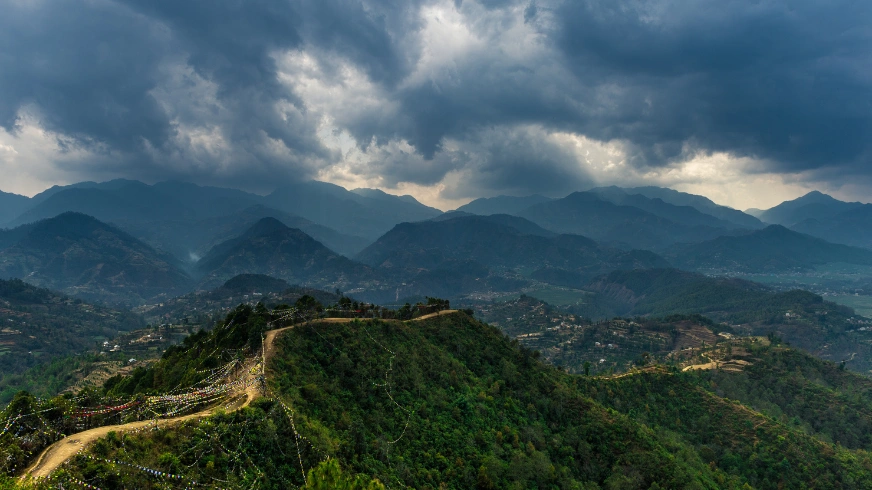
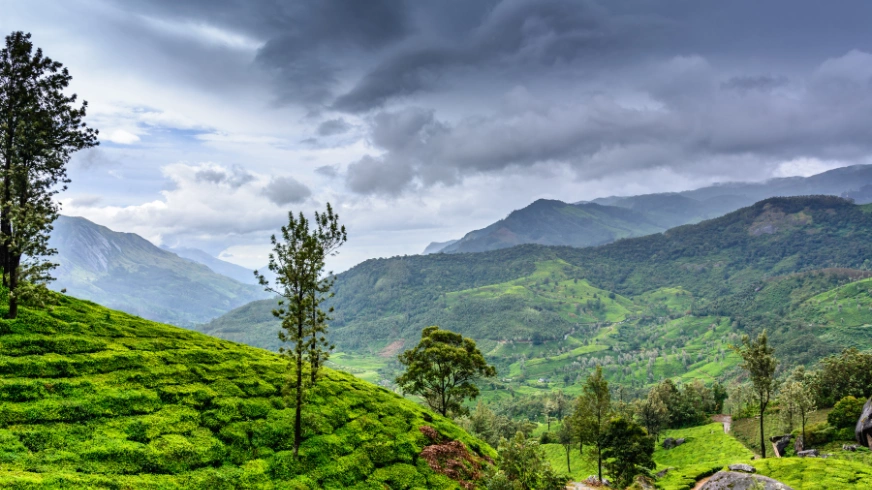
Monsoon transforms the Western Ghats into a paradise filled with misty mountains, lush green forests, flowing waterfalls, and breathtaking landscapes. Trekking during the rainy season is one of the most exciting experiences for adventure lovers. However, monsoon trekking also comes with unique challenges and risks.
Slippery trails, heavy rain, leeches, poor visibility, and unpredictable weather conditions make preparation and safety extremely important. Whether you are planning a weekend trek or a backpacking adventure, following proper monsoon trekking safety tips can make your journey safer and more enjoyable.
At Namma Trip Official Website, monsoon treks across Karnataka are organized with proper safety measures, experienced trek leaders, and well-planned itineraries to ensure a memorable adventure.
Why Monsoon Trekking is Special
Monsoon is considered one of the best seasons for trekking in Karnataka and the Western Ghats because nature becomes incredibly beautiful during this time.
Trekkers can experience:
- Cloud-covered mountains
- Green grasslands
- Flowing waterfalls
- Cool weather
- Misty forest trails
- Fresh mountain air
Popular monsoon treks include:
- Kudremukh Trek
- Netravati Peak Trek
- Narasimha Parvatha Trek
- Kodachadri Trek
- Tadiandamol Trek
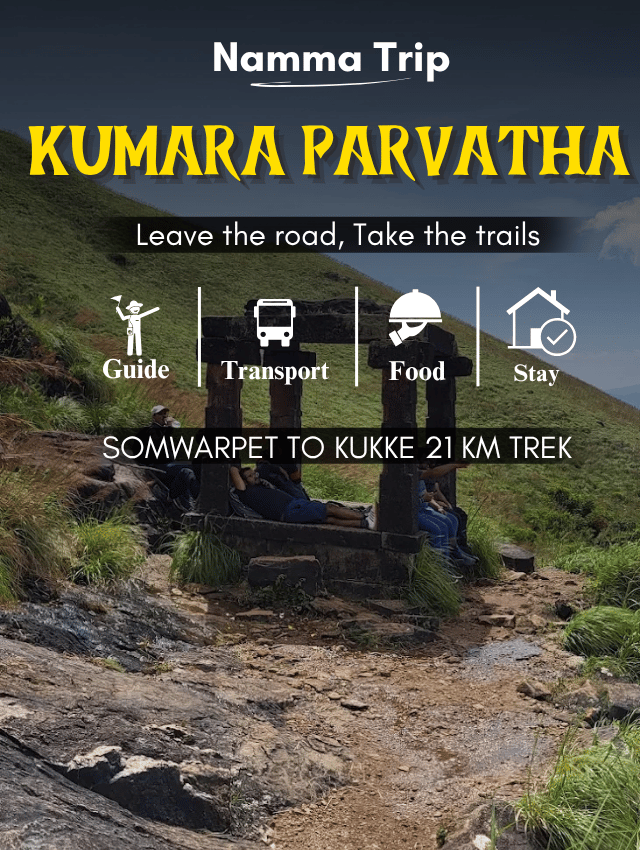
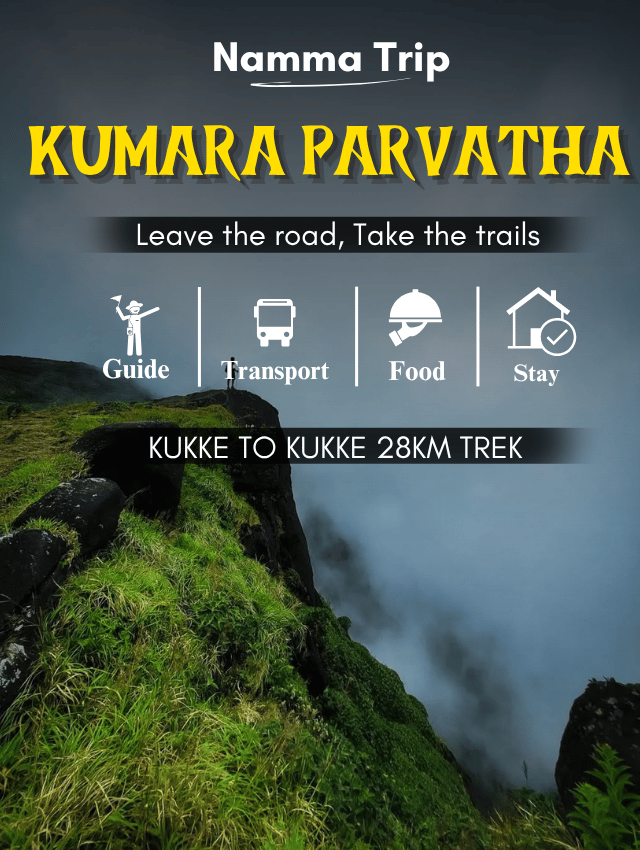
- Kumara Parvatha Trek
However, safety should always remain the top priority during rainy season trekking.
1. Wear Proper Trekking Shoes
One of the biggest challenges during monsoon trekking is slippery terrain.
Good trekking shoes are extremely important because they provide:
- Better grip
- Ankle support
- Protection from slippery rocks
- Stability on muddy trails
Choose shoes with:
- Anti-slip sole
- Waterproof or water-resistant material
- Strong grip patterns
Avoid wearing:
- Sneakers
- Flat shoes
- Sandals
- Casual sports shoes
Quality trekking shoes reduce the risk of falls and injuries.
2. Carry a Good Raincoat or Poncho
Weather in the mountains can change quickly during monsoon.
Always carry:
- Waterproof raincoat
- Trekking poncho
- Backpack rain cover
A poncho is especially useful because it covers both the trekker and the backpack.
Avoid using umbrellas during trekking because they become difficult to manage on steep trails.
3. Pack Your Electronics Safely
Heavy rain can damage mobile phones, cameras, and power banks.
Use:
- Waterproof pouches
- Zip-lock covers
- Dry bags
Protecting electronic items is essential during monsoon adventures.
At Namma Trip Adventure Treks, trekkers are advised to carry waterproof protection for all important belongings.
4. Avoid Carrying Excess Weight
During monsoon trekking, trails become more difficult due to mud and slippery conditions.
Carry only essential items:
- Water bottle
- Snacks
- Rain protection
- First aid kit
- Extra clothes
- Torch
- Power bank
A lightweight backpack helps improve balance and reduces exhaustion.
5. Stay Hydrated During Trekking
Many trekkers forget to drink water during rainy weather because they do not feel thirsty.
However, trekking still causes dehydration through sweating and physical activity.
Drink water regularly throughout the trek.
Carry:
- Reusable water bottles
- Electrolytes
- Energy drinks if required
Proper hydration helps maintain stamina and energy.
6. Be Careful on Slippery Trails
Wet rocks, muddy slopes, and moss-covered surfaces become extremely slippery during monsoon.
Safety tips:
- Walk slowly
- Maintain proper balance
- Use trekking poles if needed
- Avoid rushing
- Watch every step carefully
Most trekking injuries during the monsoon happen because of slipping accidents.
7. Follow Trek Leader Instructions
Monsoon trekking requires proper coordination and safety management.
Experienced trek leaders understand:
- Weather conditions
- Risky sections
- Safe routes
- Emergency handling
Always stay with the group and follow instructions carefully.
Professional organizers like Namma Trip Trekking Packages ensure proper guidance during monsoon treks.
8. Carry Extra Clothes and Socks
Wet clothes can make trekking uncomfortable and increase the risk of cold-related issues.
Carry:
- Quick-dry clothing
- Extra socks
- Lightweight towel
- Waterproof packing covers
Avoid cotton clothes because they take longer to dry.
Quick-dry trekking wear is ideal for rainy cond
9. Protect Yourself from Leeches
Leeches are common in forest treks during monsoon season, especially in the Western Ghats.
To prevent leeches:
- Wear full-length socks
- Use anti-leech socks
- Apply salt or dettol mixture if needed
- Avoid sitting directly on wet ground
Leeches are generally harmless, but preparation helps avoid discomfort.
10. Start Trekking Early
Weather conditions become more unpredictable later in the day during monsoon.
Starting early helps:
- Avoid heavy afternoon rain
- Improve visibility
- Complete the trek safely before dark
Early morning trekking also offers beautiful misty views and pleasant weather.
Know More: Gokarna Beach Trek and Camping | Nijagal Betta Sunrise Trek | Achalu Betta Sunrise Trek | Ambaji Durga Trek
11. Avoid Risky Water Crossings
Streams and waterfalls become stronger during the rainy season.
Never:
- Cross flooded streams carelessly
- Jump on slippery rocks
- Ignore water current strength
Always follow trek leader guidance while crossing water sections.
Safety is more important than adventure photos.
12. Carry a Basic First Aid Kit
A first aid kit is essential for every trekker.
Include:
- Band-aids
- Pain relief spray
- Antiseptic cream
- Personal medicines
- ORS packets
- Cotton and gauze
Preparedness helps handle minor injuries quickly.
13. Check Weather Conditions Before Trekking
Heavy rainfall warnings and extreme weather conditions can make trekking dangerous.
Before planning a trek:
- Check weather forecasts
- Avoid trekking during storms
- Stay updated about local conditions
Professional trekking groups monitor weather updates regularly for safety.
14. Eat Properly Before and During the Trek
Monsoon trekking requires energy and stamina.
Carry energy foods like:
- Dry fruits
- Energy bars
- Chocolates
- Fruits
Avoid skipping meals before trekking.
Good nutrition helps maintain body strength throughout the journey.
15. Respect Nature and Avoid Littering
Monsoon forests are highly sensitive ecosystems.
Trekkers should:
- Avoid plastic waste
- Carry garbage back
- Protect water sources
- Respect wildlife
Responsible trekking helps preserve nature for future generations.
At Namma Trip Responsible Travel, eco-friendly trekking practices are encouraged on all trips.
Why Trek with Namma Trip During Monsoon
Namma Trip Adventure Tours provides organized monsoon trekking experiences with proper safety support.
Benefits include:
- Experienced trek leaders
- Safe transportation
- Planned itineraries
- Group trekking support
- Emergency coordination
- Affordable packages
Monsoon trekking becomes safer and more enjoyable with experienced organizers.
Conclusion
Monsoon trekking is one of the most magical adventure experiences for nature lovers. The rainy season transforms mountains and forests into breathtaking green landscapes filled with waterfalls, clouds, and fresh air.
However, safety and preparation are extremely important during monsoon adventures. Wearing proper gear, staying hydrated, following trek leaders, and respecting nature can make your trekking experience safe and memorable.
Whether you are trekking through the misty trails of Kudremukh or exploring the forests of Narasimha Parvatha, responsible and safe trekking ensures the best experience.
Plan your next rainy season adventure with Namma Trip Karnataka Treks and enjoy the beauty of monsoon trekking safely.
Frequently Asked Questions
1. Is monsoon trekking safe?
Yes, monsoon trekking is safe with proper preparation, safety gear, and experienced guidance.
2. What shoes are best for monsoon trekking?
Water-resistant trekking shoes with strong grip are best for rainy season trekking.
3. How do I protect electronics during trekking?
Use waterproof pouches, dry bags, and zip-lock covers.
4. Are leeches dangerous during monsoon treks?
Leeches are generally harmless but can be uncomfortable. Anti-leech socks help prevent them.
5. What clothes should I wear for monsoon trekking?
Wear quick-dry trekking clothes and avoid cotton materials.
6. Why is hydration important during monsoon trekking?
Trekkers still lose water through sweating and physical activity even during cool weather.
7. Can beginners do monsoon treks?
Yes, beginners can join beginner-friendly monsoon treks with proper guidance.
8. Should I carry a raincoat or poncho?
A poncho is usually more effective because it covers both the trekker and the backpack.
9. Why should trekkers avoid littering?
Littering damages forest ecosystems and pollutes trekking destinations.
10. Where can I book monsoon trekking trips in Karnataka?
You can explore trekking packages through Namma Trip Official Website.